
15
2026
Understanding the Various Friction Test Methods for Different Materials
 An article by admin

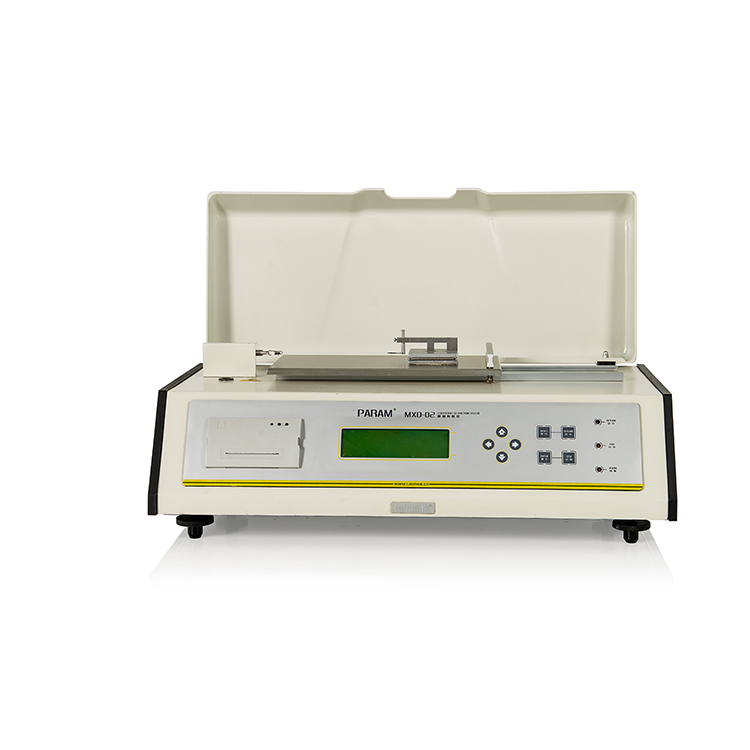
In material testing, understanding the coefficient of friction is crucial for ensuring the functionality and safety of numerous products. At Labthink, we provide reliable solutions with our coefficient of friction tester and friction test machine. These instruments are designed to assess how materials interact under sliding conditions. From plastic films to automotive components, friction testing can make a significant difference in product performance.
Types of Friction Tests You Should Know
There are several friction tests designed for different materials, depending on their intended application. The coefficient of friction tester is capable of assessing both static and kinetic friction, which is important in industries such as packaging, automotive, and textiles. These two types of friction tests provide insights into the amount of force required to initiate motion and sustain movement respectively.
Static Friction Test: This test measures the force needed to overcome the initial resistance between two materials. It’s essential for understanding how materials behave when they first come into contact. For example, when testing plastic films or rubber, knowing the static friction helps in determining their handling and usability in various products like packaging materials and conveyor belts.
Kinetic Friction Test: The kinetic test evaluates the ongoing resistance between two surfaces once they are in motion. This is particularly useful for materials that will be in continuous movement, such as conveyor belts or windshield wipers. At Labthink, we ensure that the friction test machine provides accurate and reproducible results for kinetic friction, helping manufacturers design more efficient and durable products.
Why Use a Coefficient of Friction Tester?
A friction test machine is designed to measure the interaction between two surfaces under different conditions. In addition to its standard role in measuring friction coefficients, the coefficient of friction tester also assesses the smoothness of materials, which is a vital factor in ensuring product quality and performance.
By incorporating Labthink’s equipment, industries like automotive, textiles, and packaging can fine-tune their product designs to improve user experiences. For instance, evaluating the friction properties of brake pads or tires is essential for safety. Knowing how these materials react under stress can guide the production of more efficient and safer products.
Features of Labthink’s Friction Test Machines
At Labthink, our coefficient of friction testers come with a range of features designed to make testing more accurate and user-friendly. With customizable sled weights and adjustable test speeds, users can tailor tests to their specific needs. Our testers are also equipped with high-quality components to minimize error and ensure consistent results.
For those who need to analyze friction across multiple samples, our friction test machine software offers statistical analysis, test curve superposition, and historical data comparison. This level of detailed analysis is crucial for industries where precision is key.
Conclusion
Friction testing is essential across various industries to ensure product quality, performance, and safety. With Labthink’s coefficient of friction tester and friction test machine, businesses can achieve more precise and reliable results. Whether for testing packaging materials, automotive parts, or everyday items like tires and shoe materials, our tools are designed to help optimize product development.


Leave a comment
Videos for Friction Tester
Recent Posts
- How a Coefficient of Friction Tester Functions: Understanding Its Role in Material Testing
- How to Ensure Long-Lasting Performance of Your Coefficient of Friction Tester
- Understanding the Various Friction Test Methods for Different Materials
- Labthink MXD-02 Coefficient of Friction Tester: Precision Testing for a Wide Range of Materials
- Understanding the Role of Friction Analysis in Material Testing